Freezing your barbecue for a rainy day
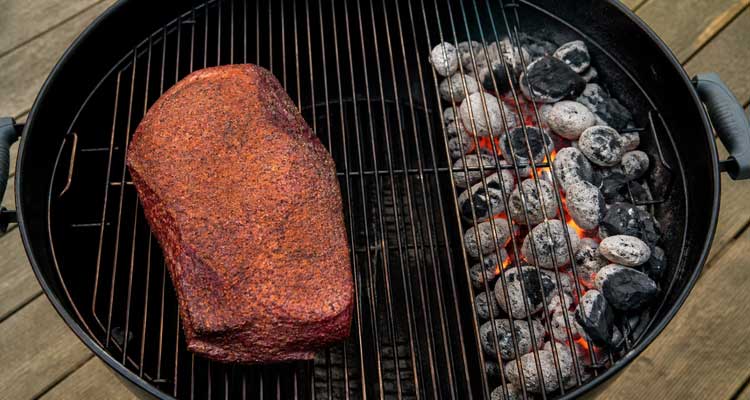
Every time I barbecue I have left overs. No, it’s not because it tastes bad, my guests never go home hungry. Rather, its because I always make some extra, generally as much as my pit will hold. The extras go first into next day’s lunchbox, (and sometimes the next, and the next…) then into the deep freeze for a rainy day.
It’s great to have an emergency stash of barbecue standing by, so I thought I’d share a few tips for freezing barbecue. Barbecue freezes surprisingly well. I’ve eaten chicken quarters and briskets well over a year old and I swear you can’t tell the difference.
Freezing Barbecue
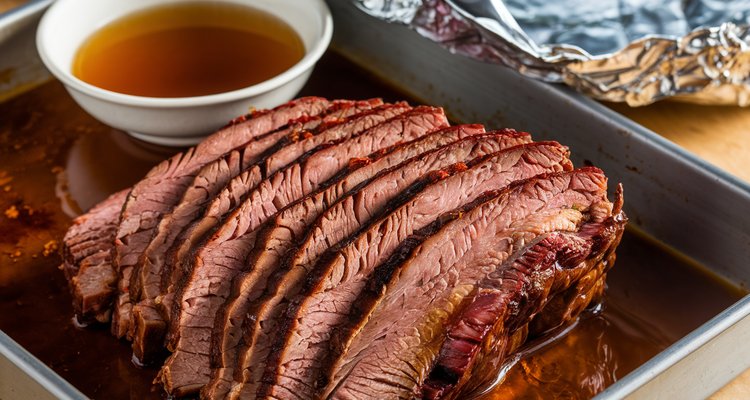
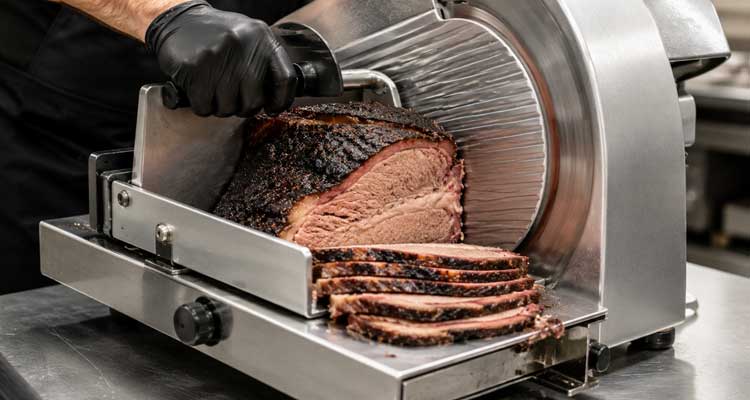
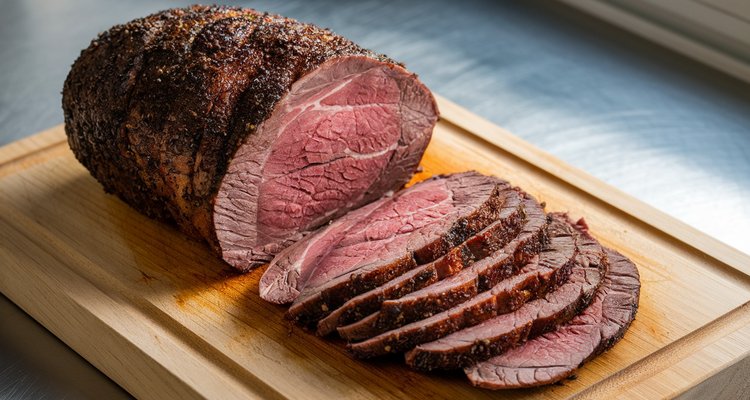
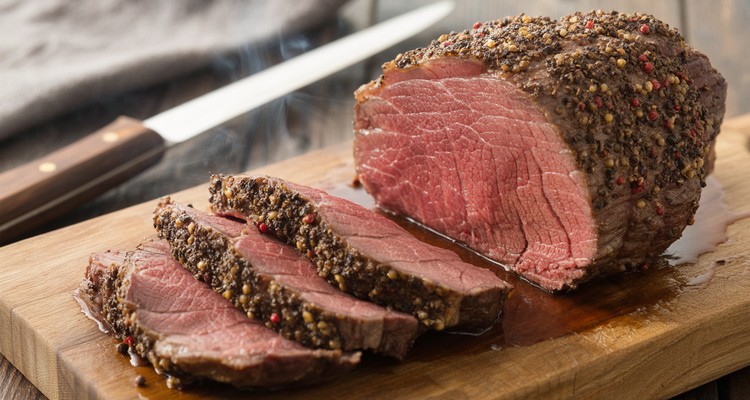
For briskets I generally cut them into portions small enough to consume in a couple of days, typically a couple of pounds. This will give us enough for a brisket dinner followed by a day or two of chopped beef sandwiches or BBQ baked potatoes.
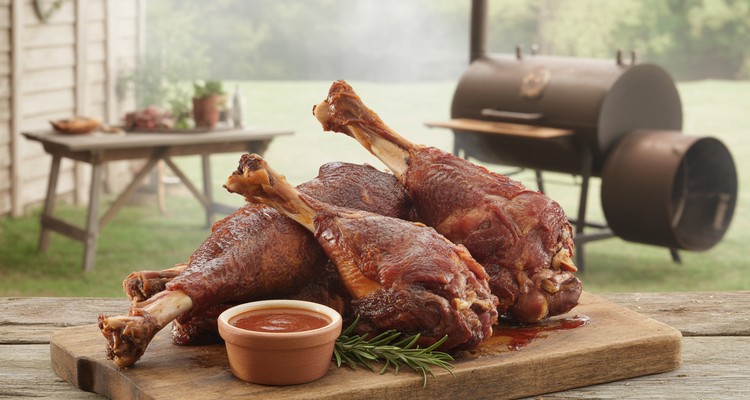
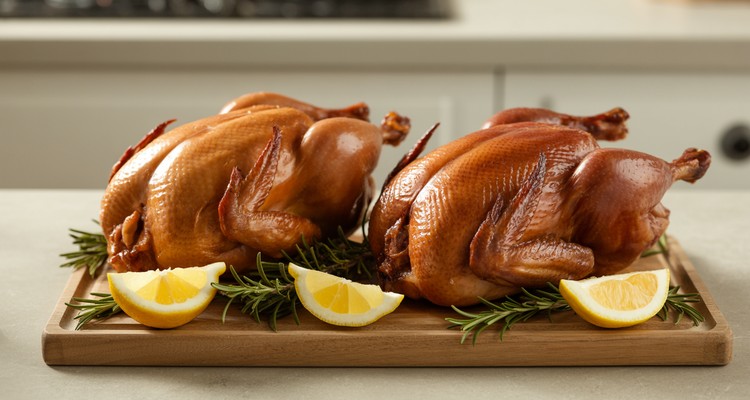
If I’m barbecuing chicken specifically for the freezer, I try to stick to quarters. While whole chickens freeze just fine, chicken quarters make menu planning easy, because I can just reheat however many I think I’ll need. That way nothing is wasted. Chicken legs and even turkey legs are also convenient to freeze individually.
Being from Texas, I don’t have a lot of experience freezing and reheating pork, but I have read in several places on the Internet that results aren’t as good as with chicken or beef. The principle complaint is that it comes out with a funky taste. Perhaps my readers with more experience in this area would care to comment.
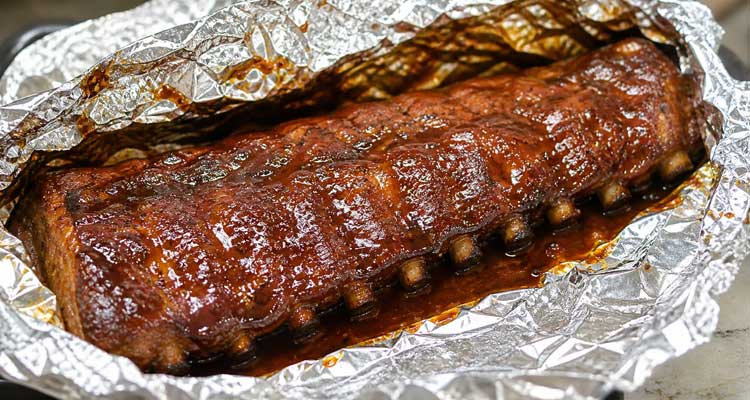
Let the barbecue come to room temperature before freezing. Wrap each individual piece in heavy duty aluminum foil, then place into freezer bags. Label the bags with the date and contents so there’s no confusion later. You don’t want to reheat what you think is brisket and end up with a turkey leg after all.
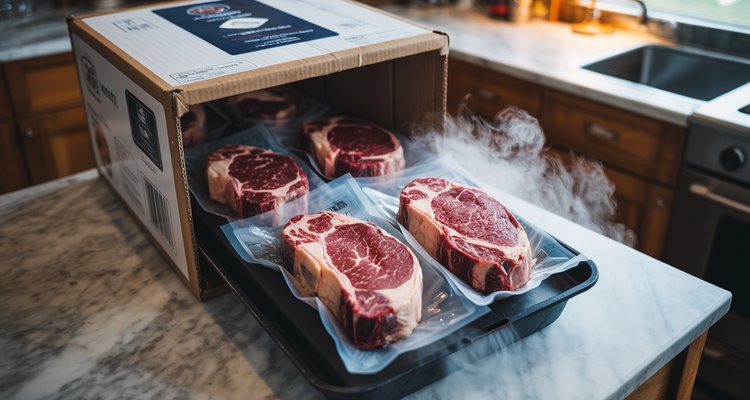
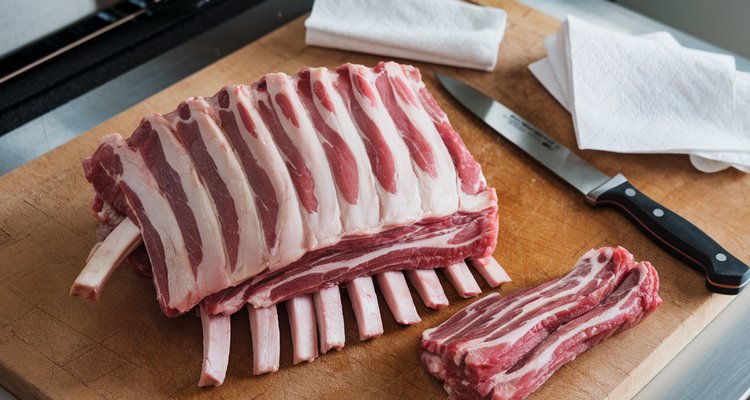
It’s worth noting that you can also freeze uncooked brisket and ribs as well. It will keep for as long as a year with no ill effects. Leave briskets sealed in their cryovac so that they aren’t exposed to the air. That way they won’t suffer from freezer burn. If you’ve got the room, you can take advantage of holiday sales by stocking up.
Reheating Barbecue
To thaw or not to thaw? That is the subject of much debate. I’ve had success with placing frozen brisket and chickens straight into the oven at 250 degrees for about an hour for chicken or an hour and half for brisket. I leave them wrapped in their aluminum foil, which seems to help maintain their moisture levels. I generally end up unwrapping them for the last 15 minutes or so. As an added bonus, while reheating, your house will take on the pleasant odor of smoked barbecue!
If you have time and the patience, you’ll probably get the best results by allowing the barbecue to thaw in the refrigerator to thaw the day before. Another option is to defrost in the microwave. Depending on the size, put the barbecue on the defrost cycle for about 10-12 minutes. You’ll want to check it often to be sure it is defrosting and not cooking. Once defrosted, heat it in the microwave at 50% power for a couple of minutes or more until hot. Then, let is rest for 6-8 minutes or so.
A third option, which I have not tried, is a little complicated, but I’m told that catering companies swear by this little trick. Oil a brown paper bag, put the thawed meat inside and staple the bag shut. Place the bag on a rack in a roasting pan. Add hot or boiling water to the roasting pan, to just below the level of the rack and place in the oven at 325 degrees F for about 20 minutes.
| Permalink | Comments[1] |
Both comments and pings are currently closed.


September 1st, 2005 at 12:57 am
I always end up cooking too much BBQ as well. One thing that I’ve heard that works very well for freezing is a vacuum sealer. I’m looking into getting one soon, not just for BBQ but for fish as well.