Buying a Barbecue Pit or Smoker
The term “barbecue” has a lot of interpretations. To some people, the term barbecue is pretty much any type of outdoor cooking. To others, real BBQ can only be made by slow smoking meat at a low temperature for hours on end.
If you want to tackle this type of cooking you’re grill just isn’t going to cut it. You’ll need to buy an honest to goodness smoker or barbecue pit. If you’re in the market to buy a barbecue pit or smoker, what features should you look for? What’s the difference between a water smoker and other types of pits? The first choice most buyers will need to make is whether they want a water smoker or a barbecue pit (a dry smoker). In this article I’ll try to shed some light on just what your choices are and help you determine which is best for you.
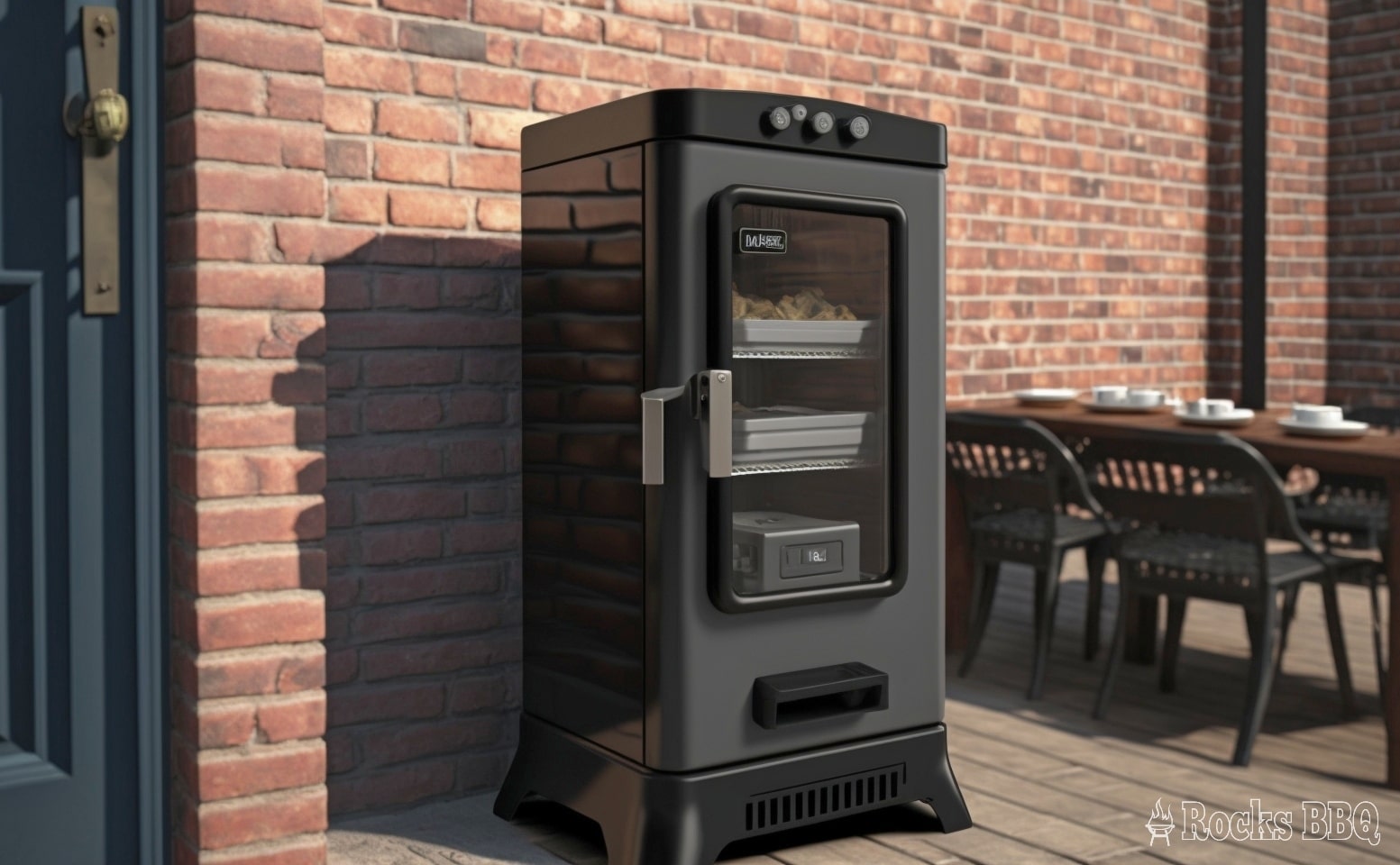
The Water Smoker

The water smoker is a relatively inexpensive piece of equipment. It’s a bullet shaped grill about 18 inches in diameter with a heat source on the bottom, grilling racks on the top, and a pan of water in between. Shown here is a typical example, the Weber 2820 Smokey Mountain Cooker/Smoker:
In a water smoker, the pan of water between the fire and the food grates protects the food from the direct heat of the fire, creating a type of indirect cooking. The water also turns to steam while cooking, producing a moist, even heat. Further more, the water basin catches any grease drippings that come off while cooking, preventing them from falling into the fire and causing flare ups.
All water smokers rely on chunks of wood to provide flavoring to the food. Rather than light the wood directly however, you soak the wood overnight and rest it atop a heat source at the bottom of the smoker. This brings the intensity of the smoke down, and uses less wood in the process.
For a heat source you have several options. The cheapest models simply use charcoal in the bottom of the pan. These type of smokers can sell for as low as $30 or $40, and can sometimes double as a small charcoal grill. In order to maintain a consistent temperature over the long smoking period, you’ll need to constantly add additional charcoal, which can be a pain, and will cause your temperature to vary across the the grilling time.
The electric water smoker uses an electric heating element as the primary heat source, with your wood chunks resting atop that. These produce an even heat and offer considerably less fiddling than the charcoal models. Of course, once disadvantage here is that you can only use them where you have a source of electricity, and you’ve got an electrical dohickey that can break on you. These smokers are still inexpensive, costing around $75 for a basic model, and topping out under $200.
There are some gas models as well, but I can’t recommend them.
The electric water smoker is very easy to use, and a great way to ease your way into “true” barbecuing. It requires less monitoring and fiddling with the fire, and is very forgiving with regards to cooking time. When shopping for a water smoker, here’s a few tips about features to look for.
Dual grill racks: Find a smoker with two (or more) grill racks. This will allow you to load up the smoker with extra food. Smoked briskets and chickens freeze well, so its handy to smoke as much as possible in each cooking session. With two grill racks, most smokers can handle two whole chickens in one smoking session.
Temperature gauge: Some models feature a built in thermometer, but I find that most of these are terribly inaccurate. Some don’t even attempt accuracy and just have markings like “hot” and “ideal”, which really don’t mean anything at all. Your best bet is to use an oven thermometer on the grate a few times until you have a good idea of your smoker’s typical operating temperature.
Side access panel: You’ll want to find a model with a side panel that allows you to add additional wood while smoking, without having to take any food off of the grill.
Electric/charcoal conversion: If you are thinking of an electric water smoker, but want to occasionally cook in a location without electricity (such as while on a camping trip), look for a model that supports both a charcoal or electric heat source. You simply remove the heating element when you want to cook with charcoal. Brinkman even sells a model they advertise as upgradable to electric, but buying the heating element separately.
The Barbecue Pit or Dry Smoker

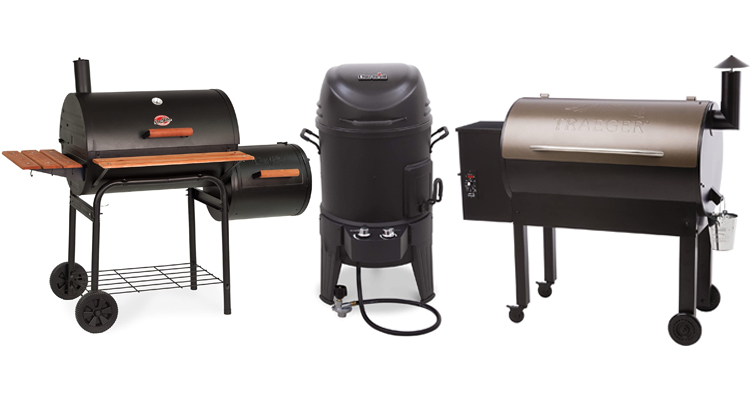
A barbecue pit is the more traditional of the two types of BBQ smokers and for professionals, its the only way to barbecue. This type of grill features an offset fire box at one side of the grill and the cooking chamber on the other. A vent or chimney on the side opposite the fire box draws heat and smoke from the fire across the cooking chamber. You can expect to pay anywhere from $200 to $600 for a home pit, and as much as you would like to spend for a larger one. Some big pits are built onto their own trailer body for ease of transport.
This type of smoker does not use gas or charcoal. Instead it burns small split logs in the firebox. Dry smokers cook without the steam of the water smoker, and this gives foods a more intense, smokey flavor. The dry heat dehydrates and tenderizes tough cuts of meat, concentrating the flavor. Most foods will require an occasional basting while smoking to prevent them from dying out too much.
The food is also further away from the firebox, meaning the temperature is typically lower than that of a water smoker, so cooking times are longer. This long, slow cooking method is another reason that a barbecue pit will produce a more intense flavor than a water smoker.
One obvious disadvantage is that you’ll need to constantly maintain the fire to keep your target temperature. You’ll probably need to add some wood at least once an hour, and twiddle with the vents to keep your target temperature. To many people this isn’t a disadvantage however, as they enjoy tending the fire! Super expensive models operate on wood pellets, which can automatically be dispensed by a computer controlled thermostat.
Features to look for in a barbecue pit:
Vents: Look for a unit with adjustable vents on both the firebox, and the chimney. This gives you the most options for controlling the temperature by adjusting airflow to the fire.
Material: Since a barbecue pit will generally spend its life outdoors, consider the type of material it is made of. The cheapest models will quickly rust out, but stainless steel can be a budget buster. An enameled surface is generally a good compromise, and a cover is a wise investment.
Cooking area: Barbecue pits range in size significantly, so you’ll want to make sure you buy one big enough to handle whatever your BBQ plans are. Remember, that with 8 hour cooking times typical, you’ll want to cook everything in one batch. I think it is wise to purchase a unit that is at least big enough to cook two hole briskets.

Wonderful post. i will come back again soon=D